Prototyping — From Concept to Test-Ready Robotic Apparel
We transform ideas into functional prototypes — smart fabrics, sensor-integration, protective covers and full garments for robot platforms. Rapid iterations. Clear specs. Scalable manufacturing.
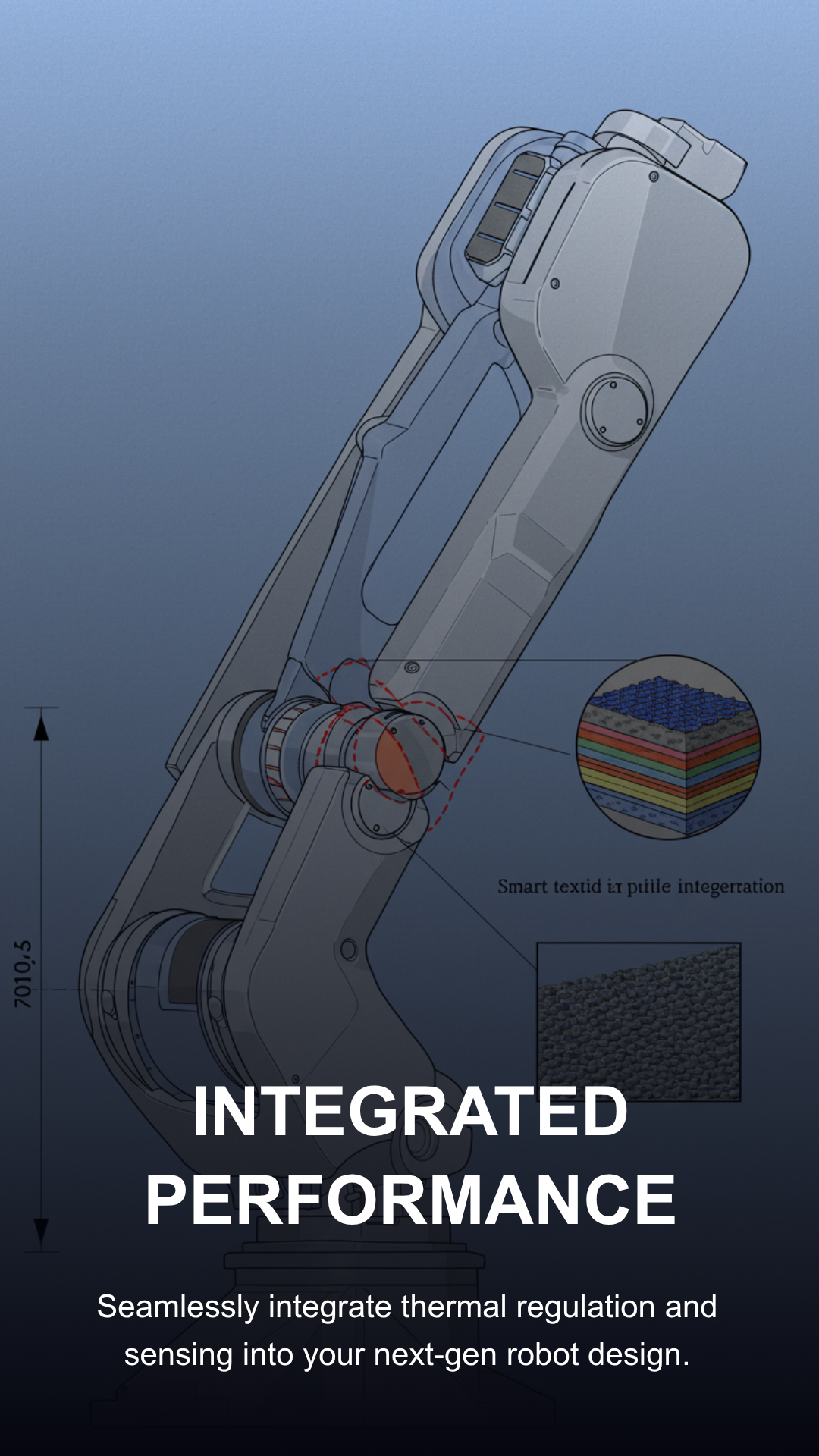
Why prototyping matters for robotic apparel
Prototyping is the bridge between an idea and a reliable product. In robotic apparel, prototyping is not optional — it’s essential. Robots interact with dynamic environments, complex payloads and human users. Fabric selection, sensor placement, mechanical anchors and wear patterns must be validated under real conditions.
Top outcomes you get from professional prototyping
- Design validation: confirm fit, clearances and attachment points for your target robot(s).
- Functional testing: sensor interoperability, EMI behavior, water-resistance and heat management.
- Manufacturability: rules for sewing, lamination, and connector routing that allow scaling.
- Costing & timelines: accurate BOM and lead estimates for pilot and full production.
“We do not prototype to look pretty — we prototype to reduce failure. Every test that reveals a flaw reduces production costs by an order of magnitude.” — Lead Engineer, RobotsWear
Our prototyping process — transparent, repeatable, industrial
We split prototyping into clear phases. Each phase produces deliverables and explicit decision points. You always know when to proceed, pivot, or pause.
- Discovery & brief — goals, target robots (e.g., Spot, ANYmal, custom platforms), environmental profile, constraints.
- Concept design — CAD + pattern mockups, 3D visualizations, attachment points defined.
- Material selection & samples — functional fabric samples (conductive, heated, waterproof), connector options.
- Alpha prototype — a working prototype focused on fit and basic function (1–2 units).
- Functional test & iteration — motion tests, endurance, sensor performance; quick iteration (weeks).
- Pilot run — small batch (10–200 units) with production-ready methods and QC plan.
- Handover to production — technical pack (TP), BOM, vendor instructions, QA checklist.
Deliverables — what you will receive
- Prototype unit(s) with serial numbers and test logs
- High-resolution photos & video of tests (drop, motion, wash)
- Technical pack (patterns, assembly drawings, BOM)
- Test report (environmental, mechanical, electrical compatibility)
- Production cost estimate and MOQ recommendations
Service offerings — choose the package that fits your stage
| Service | Best for | Lead time | Deliverables |
|---|---|---|---|
| Concept Sprint | Pre-seed ideas, universities | 1–2 weeks | Moodboard, CAD mockups, rough patterns |
| Alpha Prototype | Design validation, labs | 2–6 weeks | 1–3 working units, test log |
| Functional Prototype | Field trials | 4–8 weeks | Sensor-integrated garments, full testing |
| Pilot Production | Early customers, pilots | 6–12 weeks | 10–200 units, QC, packaging |
| OEM/ODM Scale-up | Mass production | Varies | TP, certified vendors, ongoing supply |
Prototype ROI Simulator — See the benefit
Estimate how prototyping and improved reliability can reduce operating costs and downtime. Use this interactive calculator to get a quick snapshot. (Values are examples — our team will provide an exact assessment.)
Selected case studies — real problems, measurable results
Case: Protective cover for dog robot — reduced downtime by 38%
Challenge: A security company deploying robot dogs reported sensor failures after rain and abrasions on patrol routes.
Solution: Waterproof multi-layered hood with sealed cable routing, breathable membrane, and replaceable abrasion patches.
Result: Field trials (n=23) across 3 months showed 38% fewer moisture-related faults; maintenance cost down 21%.
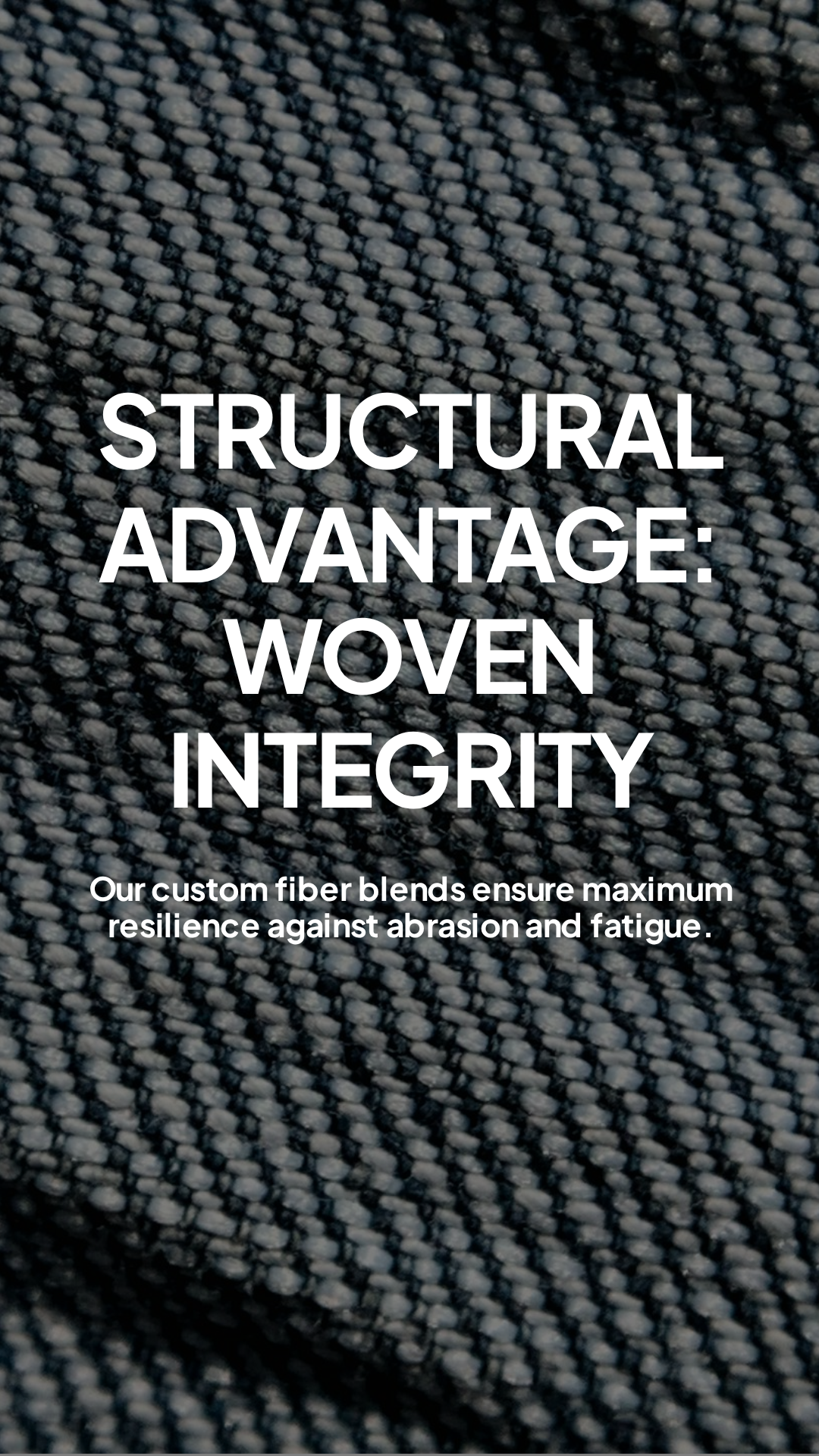

Case: Heated exoskeleton lining for cold facilities
Challenge: Warehouse exoskeletons performed poorly at sub-zero temperatures — battery and actuator efficiency dropped.
Solution: Thin conductive heating layer integrated into lining with smart thermostat and low-power cut-off.
Result: Operators reported 43% improved cycle time in cold aisles; component wear reduced by 17%.
Materials & technologies we prototype with
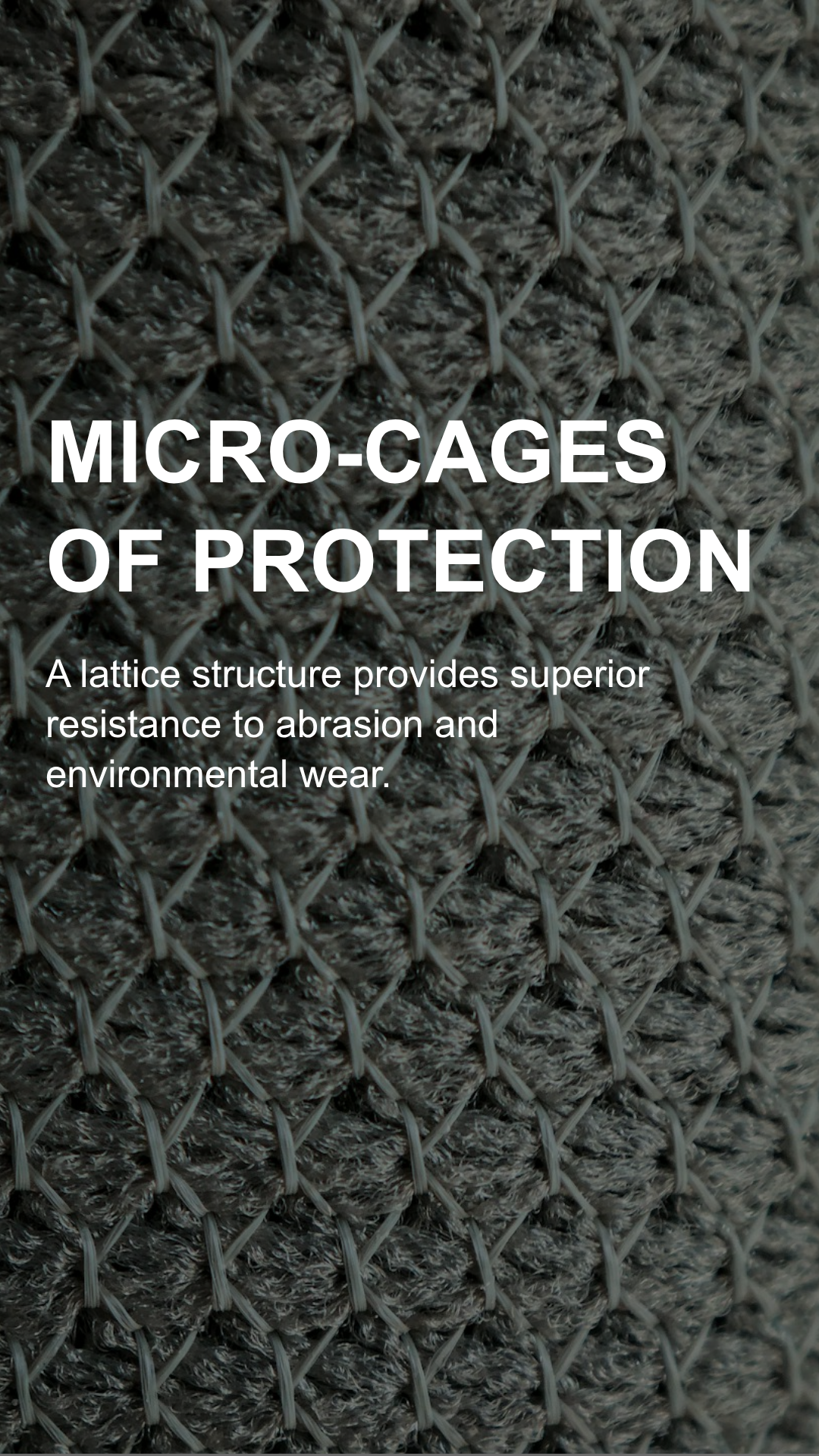
We produce prototypes using an ecosystem of materials purpose-fit for robotics — conductive yarns, laminated barrier fabrics, e-textile heating elements, and more.
| Category | Function | Use cases |
|---|---|---|
| Conductive Textiles | Signal routing, touch sensors | Sensor grids, tactile patches |
| Heating Elements | Thermal comfort, battery pre-heating | Exoskeleton liners, drone battery bays |
| Waterproof Membranes | Weather protection | Outdoor robots, patrol units |
| Abrasion Panels | Durability at wear points | Leg guards, feet protectors |
| Biocompatible / Sustainable Fibers | Hygiene, low environmental footprint | Healthcare robots, hospitality |
Interactive tools that increase engagement
1. Prototype Checklist (interactive)
- Define target robot + attachments
- Specify environmental profile
- List electrical & mechanical constraints
- Identify safety & certification needs
- Budget & timeline agreement
2. Micro-quiz: Which material fits your use case?
3. Video — How prototyping works
Common prototyping mistakes — and how to avoid them
- Skipping movement tests: Always simulate the full range of motion before approving a pattern.
- Underestimating connector stress: Cable strain relief is often the first failure point.
- Choosing the wrong adhesive: Some adhesives degrade sensors or interfere with flexibility.
- Not planning for serviceability: Make wear parts accessible and replaceable.
How to start a prototype with RobotsWear (step-by-step)
Below is a condensed HowTo that mirrors our internal workflow. This is also provided as structured data (JSON-LD) for search engines.
- Submit brief — Use the Start a Project form with target robot, objectives, and budget range.
- Kickoff call — 30–60 minute session with engineers to align scope and acceptance criteria.
- Design sprint — 1–2 weeks: CAD, patterns, material suggestions.
- Alpha build — produce 1–3 units for lab testing; record video and logs.
- Field validation — run prototypes in representative conditions; iterate.
- Pilot & scale — manufacturer handover, BOM finalization, QA rules.
Frequently asked questions
Ready to build a prototype?
Start with clarity: submit your brief or book a 30-minute technical call. Our prototyping service is structured to reduce unknowns and accelerate your path to production.
Deep dive: Engineering prototypes for robotic apparel — a world-class guide
Hook: Imagine a patrol robot stepping into a rainstorm. Without the right apparel the camera fogs, connectors corrode and a simple patrol turns into downtime. One design decision — the fabric choice and cable routing — determines whether that robot returns to work or the service team spends hours fixing it. This is the thin line between operational success and constant firefights.
Storytelling: an R&D engineer’s race against a rainy night
Two years ago, our team received a midnight call: the client’s robot dog fleet failed in wet weather during a critical inspection window. We arrived with two prototype hoods, a roll of conductive tape and a notepad. That night taught us the difference between theory and reality: a seam sealed with the wrong adhesive became the ingress point, and a cheap connector aggravated the problem. That prototype forced a change in the vendor’s spec and saved a future fleet. That is what prototyping does — it surfaces harsh truth in a controlled way.
Design principles that never fail
- Design for serviceability: make wear parts replaceable without full disassembly.
- Design for motion: avoid rigid routes crossing joints; expect stretch and flex.
- Design for environment: choose membranes and coatings appropriate to dust, humidity, or chemical exposure.
- Design for testability: embed test points and logging sensors into alpha units.
Measurement-driven prototyping
Every prototype we produce includes instrumentation: torque logs, humidity sensors, contact resistance, and thermal cameras when needed. Without data, design decisions are guesses. With data, they are optimized steps.
Example: How we evaluated a heated lining
- Baseline: run exoskeleton for 2 hours at -10°C, measure actuator current draw and operator cycle time.
- Install heated lining with thermostat, re-run test.
- Measure: battery consumption delta, actuator performance, operator heartbeat (comfort proxy), and surface temps.
- Result: baseline 12% lower cycle efficiency; heated lining restored 9% efficiency and increased operator comfort metrics.
Procurement & manufacturing considerations
Prototyping reduces procurement risk — you validate vendor processes, adhesion methods, and QC before committing. We maintain a selective vendor network (Europe & Asia) and frequently audit to keep lead times predictable.
UX & aesthetics — robots need to be read by humans
Beyond protection, clothing changes how humans perceive robots. A thoughtfully designed cover communicates reliability and cleanliness in public spaces. We prototype with a balance of function and form.
Data & KPIs we measure for every field prototype
- Mean Time Between Failures (MTBF)
- Downtime per 1,000 operating hours
- Component replacement frequency
- Operator satisfaction (survey)
- Maintenance man-hours saved
Conclusion & Next steps
RobotsWear builds prototypes that answer questions before production: durability, sensor compatibility, manufacturability and total cost of ownership. Our process transforms uncertainty into quantified decisions.
Prefer a PDF? Click Download full prototyping guide (PDF).